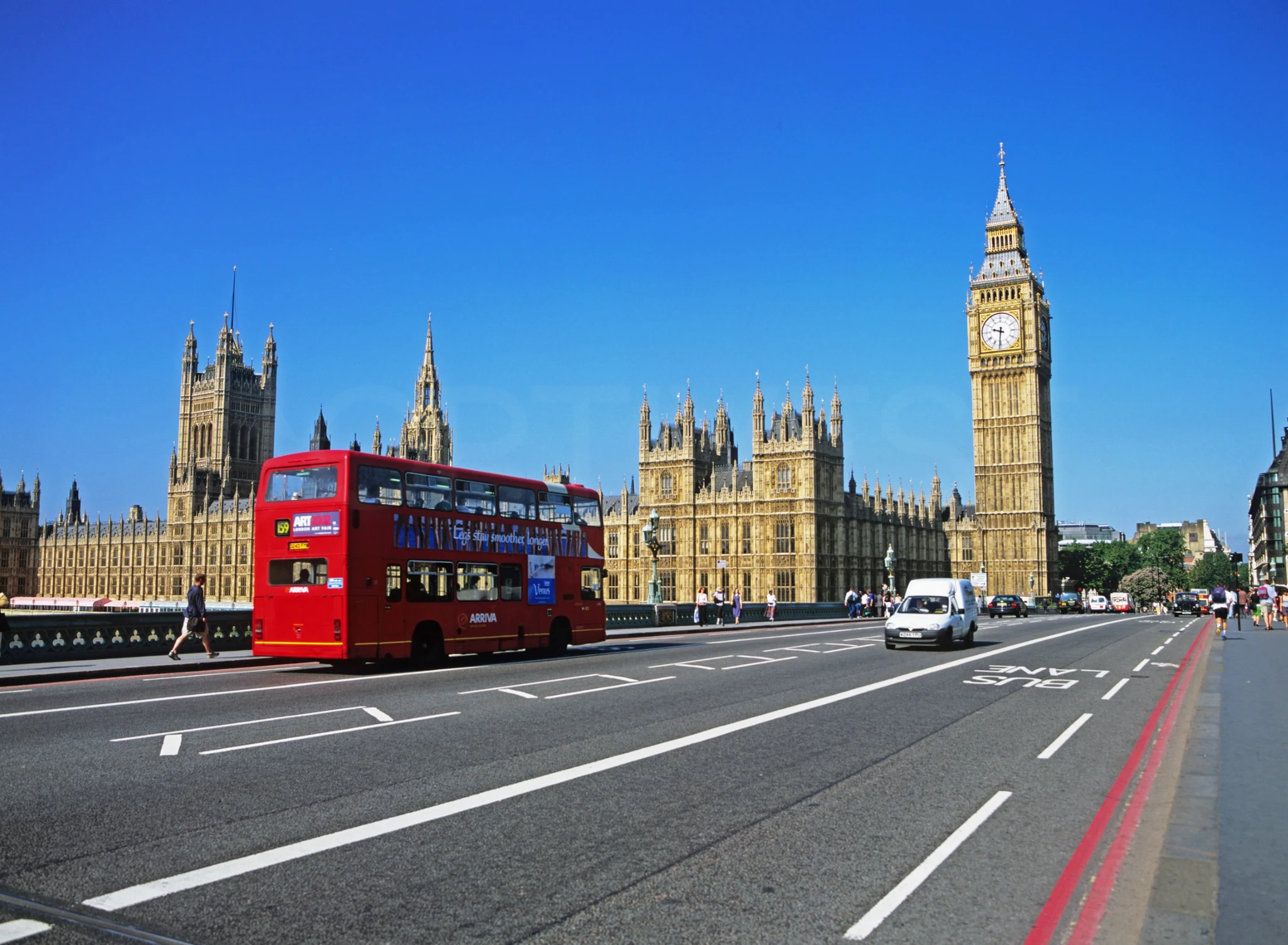
A Guide to a Daily Spending Budget in London
Featured Question
How much should your daily spending budget be in London?
Per person, per day (including accommodation, excluding flights), roughly: on a budget ~£55–110 (hostel, supermarket/cheap meals, the £8.90 Tube daily cap, free museums); mid-range ~£160–275 (3-star hotel, restaurant meals, one paid attraction); luxury ~£280–1,080+ (5-star hotel, fine dining). London is an expensive city, but free museums and the transport cap make the budget manageable.
London is one of the world's most expensive cities, but that reputation tells only half the story. World-class free museums, economical transport with a daily cap, and dining options ranging from supermarket meal deals to Michelin tables mean the city is genuinely accessible at every budget level. This guide explains daily spending at three levels (budget, mid-range and luxury), walks through how each category works in practice, and offers concrete tips that lower the overall cost without sacrificing the experience.
How Much Do You Need per Day in London?
Your daily budget depends largely on your travel style. Per person, per day (including accommodation, excluding flights), the rough ranges break down as follows:
- Budget (~£55–110): Hostel bed, supermarket/cheap meals, Tube travel within the £8.90 daily cap, free national museums
- Mid-range (~£160–275): 3-star hotel, restaurant meals, one paid attraction per day
- Luxury (~£280–1,080+): 5-star hotel, fine dining, premium and exclusive experiences
These figures are per person. On a couple or family trip, the per-person cost can be somewhat lower because accommodation is shared across the group. The biggest single item is always accommodation, followed by food, and then activities and transport, though transport is, as you will see, remarkably affordable once you understand how the cap works.
Accommodation: Your Biggest Variable
Accommodation is the largest and most variable item in the daily budget, and it is the one that most determines which tier you fall into. To give a practical sense of the ranges:
- Hostel beds are around £25–45 a night, which is the clearest route to keeping total daily spend within the budget band
- Budget hotels come in at roughly £80–130 a night
- Comfortable 3-star hotels sit around £150–280
- Luxury 5-star properties run £400–750 and above, which is what pushes the luxury daily total toward £1,080+
How it works in practice: London's neighbourhood spread is one of the city's great practical advantages for visitors. Zone 1 (the immediate centre) commands the highest hotel premiums. Moving one or two stops further out on the Tube or Elizabeth Line, to neighbourhoods that are quiet, safe and well-connected, can produce a meaningful drop in nightly rates, while the daily transport cap means the commute into the centre costs essentially the same regardless of how many times you make it. Booking early, and choosing an off-peak season rather than summer (peak season), compounds this saving further.
Common mistake families make: Over-indexing on "central" location and paying a large hotel premium, then realising too late that London's Tube network makes almost every neighbourhood feel central once you hold an Oyster or contactless card.
Food and Drink: Strategy Over Spend
The food budget is shaped almost entirely by the choices you make, and London has an unusually wide range, from one of the world's best street-food and market scenes through to a dense concentration of Michelin-starred restaurants.
The practical spectrum:
- Supermarket meal deal: A filling, complete meal for roughly £8–16, the most economical route, and genuinely good quality at the major chains
- Cheap restaurants and pubs: A main course for roughly £12–25, typically with a more local atmosphere than tourist-zone restaurants
- Mid-range restaurant meal: Around £40 per person including a drink
- Fine dining / Michelin: £65 per person and well above for the evening; significantly less at lunch
A smart daily balance that experienced London visitors use: plan one economical meal (supermarket, market, or a pub lunch) and treat one meal as the day's experience, a restaurant you have chosen in advance. This keeps the food line manageable without feeling like you are cutting corners.
If a Michelin experience is on your list, lunch set menus are notably cheaper than evening tasting menus. The food itself is drawn from the same kitchen; the gap is almost entirely in the price of the slot.
One small but consistent saving: tap water is perfectly drinkable across London, and you can request it free in any restaurant. Over several meals and several days, the saving is meaningful.
Transport: The Daily Cap Changes the Calculation
Transport in London is, by global-capital standards, surprisingly affordable, once you use it correctly. The daily transport cap for Zones 1–2 is about £8.90 when paying by contactless card or Oyster. In practical terms, this means however many Tube, Overground or Elizabeth Line journeys you make within the day, your total transport charge will not exceed this figure.
Bus travel works differently but is similarly cheap: a flat £1.75 per journey regardless of distance, and the Hopper rule may allow a transfer to another bus within a set time window at no additional cost. Check the official source for current terms.
What this means for your daily budget planning:
- If you are on a budget stay in a slightly outer zone, do not let transport anxiety push you into a more expensive central hotel, because the cap already absorbs the cost of multiple journeys
- On days heavy with sightseeing across different areas, the cap gives you freedom to travel without mentally tallying each trip
- Build your itinerary around geographic clusters where possible; it keeps the day efficient even if not strictly necessary for cost
For a thorough breakdown of how to use contactless, Oyster and the Elizabeth Line, see our transport guide.
Attractions: Where London Is Genuinely Generous
London's real generosity as a destination shows most clearly in its attractions policy. Many major national museums are free to enter (check the official website of each institution to confirm current admission terms, as policies vary). For a family or a group spending several days in the city, free-entry institutions represent a structurally significant saving compared to most comparable world capitals.
Paid landmarks carry the following approximate costs for reference:
- Tower Bridge: approximately £18
- Tower of London: approximately £34.80
- Other paid landmarks fall broadly within the £18–38 range
A practical approach: Build each day's itinerary around one or two free institutions, which will absorb several hours, and then select the paid landmark or experience that genuinely matters to you. This way, paid-entry costs become deliberate choices rather than a running accumulation.
Parks (Hyde Park, Regent's Park, Greenwich Park and others) are free, frequently used by Londoners themselves, and add a completely different dimension to the visit at no cost.
Putting It Together: A Simple Daily Framework
Rather than treating the budget as a single figure, it helps to think in four lines:
- Accommodation: set this first; it determines your baseline and is the hardest to adjust mid-trip
- Food: plan the balance (one economical, one experience) before the day, not during it
- Transport: budget the daily cap and no more; you will not exceed it on a normal day
- Attractions: anchor your day in free museums and parks, then select one paid experience
Across a multi-day trip, this framework keeps the total close to whichever tier you set at the start, without requiring constant mental arithmetic.
Optivest Note: We consistently see two things happen with families who visit London several times a year. First, they underestimate how quickly repeated hotel stays accumulate: at £150–280 a night for a 3-star room, a handful of annual visits adds up to a substantial recurring cost. Second, they have never run the comparison against the cost of owning a small pied-à-terre (a modest second home), which would remove the accommodation cost on every visit and simultaneously build an asset. This is not a calculation we can run in a travel guide, but it is one we help clients structure properly when the question arises. Optivest provides investment advisory and mortgage broking services; we do not offer travel-booking, tax or legal advice, but if repeated London visits have made you curious about the ownership question, the investment consultancy page explains what that assessment looks like.
Frequently Asked Questions
How much money do you need per day in London?
Per person, per day (including accommodation, excluding flights): budget ~£55–110, mid-range ~£160–275, luxury ~£280–1,080+. The biggest item is always accommodation. Thanks to free national museums and the daily Tube transport cap, a rich experience is possible even at the mid-range level, and the city rewards those who know how it is structured.
Is London really very expensive?
London is one of the world's most expensive cities, but the cost is manageable with strategic planning. Free world-class museums, an affordable capped transport system, and a wide food spectrum from supermarket meal deals upward significantly lower the cost floor. The item that most justifies the "expensive" label is accommodation, particularly in Zone 1.
How do you save on accommodation in London?
Staying in a slightly more outer area with a good Tube or Elizabeth Line connection lowers nightly rates noticeably, while the daily transport cap already makes reaching the centre cheap on any given day. Booking early and choosing an off-peak season rather than summer (peak season) compound the saving further.
How do you protect the food budget without missing out?
Plan one economical meal each day, such as a supermarket meal deal at roughly £8–16, or a market, and treat one meal as a chosen restaurant experience. For Michelin-level dining, lunch set menus are notably cheaper than evening tasting menus. Requesting tap water (free in restaurants) is a small but consistent saving across a multi-day trip.
What paid attractions are worth budgeting for?
Many major national museums offer free entry, so paid-entry spending is genuinely discretionary; check each institution's official website to confirm current admission terms. Paid landmarks run roughly £18–38 per person, with Tower Bridge at approximately £18 and the Tower of London at approximately £34.80 being the most visited. Building each day around free institutions and selecting one paid attraction keeps costs predictable.
If I visit London often, does owning a home make more sense than hotels?
For someone visiting several times a year, a nightly hotel rate of £150–280 accumulates quickly across annual trips. A small London pied-à-terre may help reduce the recurring accommodation cost and could build an asset over time, though outcomes depend on individual circumstances and are not guaranteed. Whether this calculation works depends on individual circumstances (property purchase costs, financing, rental income potential) and should be assessed carefully with professional guidance rather than treated as a straightforward saving.
In Summary
A daily budget in London runs roughly £55–110 per person at the budget level, £160–275 at mid-range, and £280–1,080+ at the luxury end, with accommodation as the dominant variable in each case. Free national museums, parks, and the daily Tube transport cap of about £8.90 mean the city is genuinely more accessible than its reputation suggests, and the infrastructure rewards visitors who understand how it works.
For frequent visitors, the accumulating hotel cost can legitimately raise the question of whether a property purchase makes more sense in the long run. Optivest provides investment advisory and mortgage broking services, and helps clients structure and assess that calculation, but does not provide travel-booking, tax, legal or personal financial advice. For any property or financing question, consult a regulated solicitor and a regulated financial adviser alongside any investment guidance you receive.
Browse our project listings for London property options, use our transport guide for getting around the city, or explore our investment consultancy service for a fuller picture of what ownership in London involves. To discuss your situation, reach the Optivest team directly through the contact page: Contact us.
General-information disclaimer: This article is general information only; prices vary by season, area and timing, and all figures are per-person estimates that will fluctuate. Nothing in this article constitutes investment, tax, legal or financial advice. For current accommodation, transport and attraction costs, check the relevant official sources directly. For property investment decisions, consult a qualified UK tax adviser, an SRA-regulated solicitor and an FCA-regulated financial adviser.
For 6 years we have advised international investors on UK property investment from London.